Kanz Radar
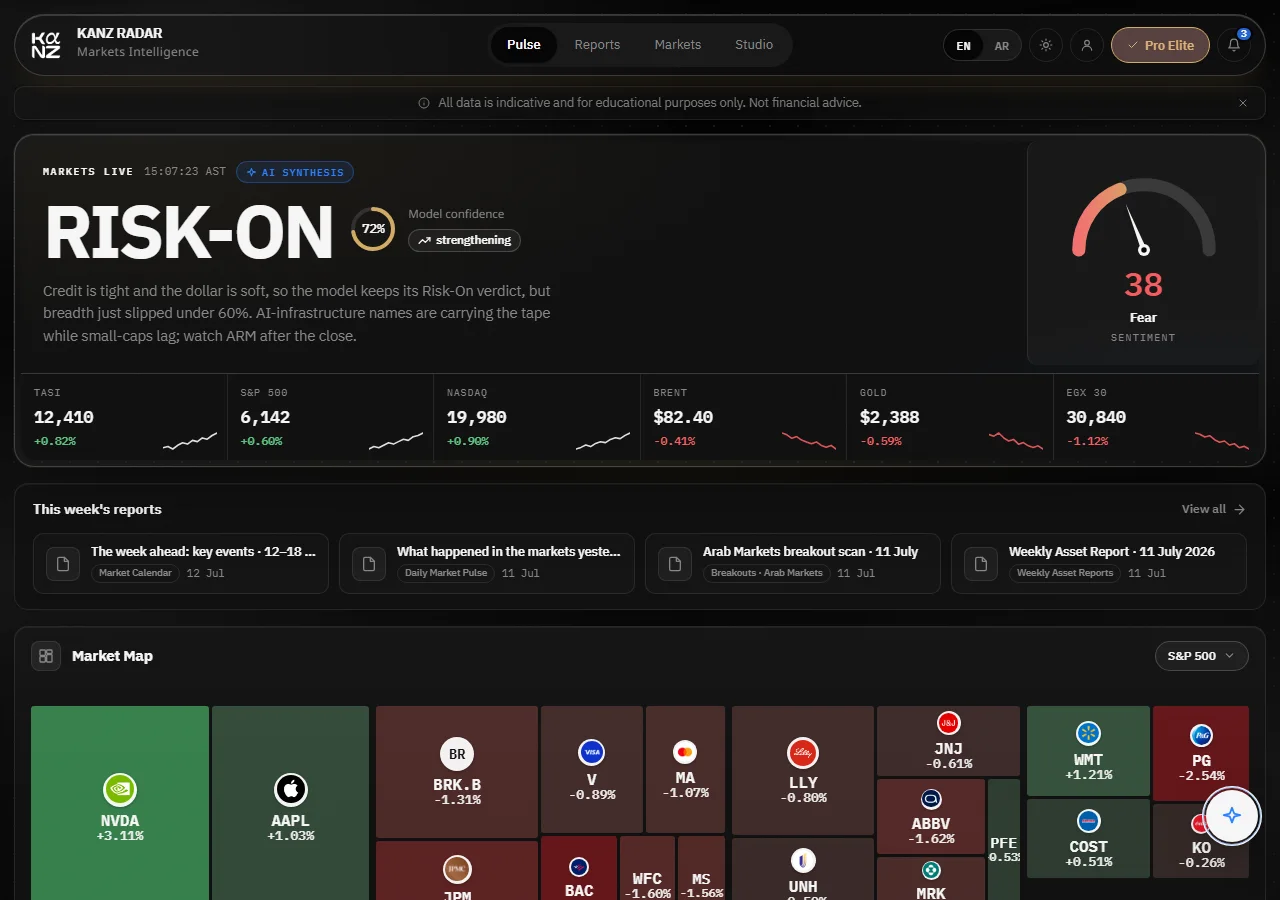
Kanz’s Arabic-first market reader. A verdict before data, the member’s own portfolio at the centre, and teaching instead of tips turned it into a daily habit.
- 400
- paying members
- 179
- portfolios connected
- 81%
- active every month
Arrows to walk, space to jump, Esc to stop.
AI-native design engineer. I take products from the business decision to production code, with live prototypes in between.
Selected work
Kanz’s Arabic-first market reader. A verdict before data, the member’s own portfolio at the centre, and teaching instead of tips turned it into a daily habit.
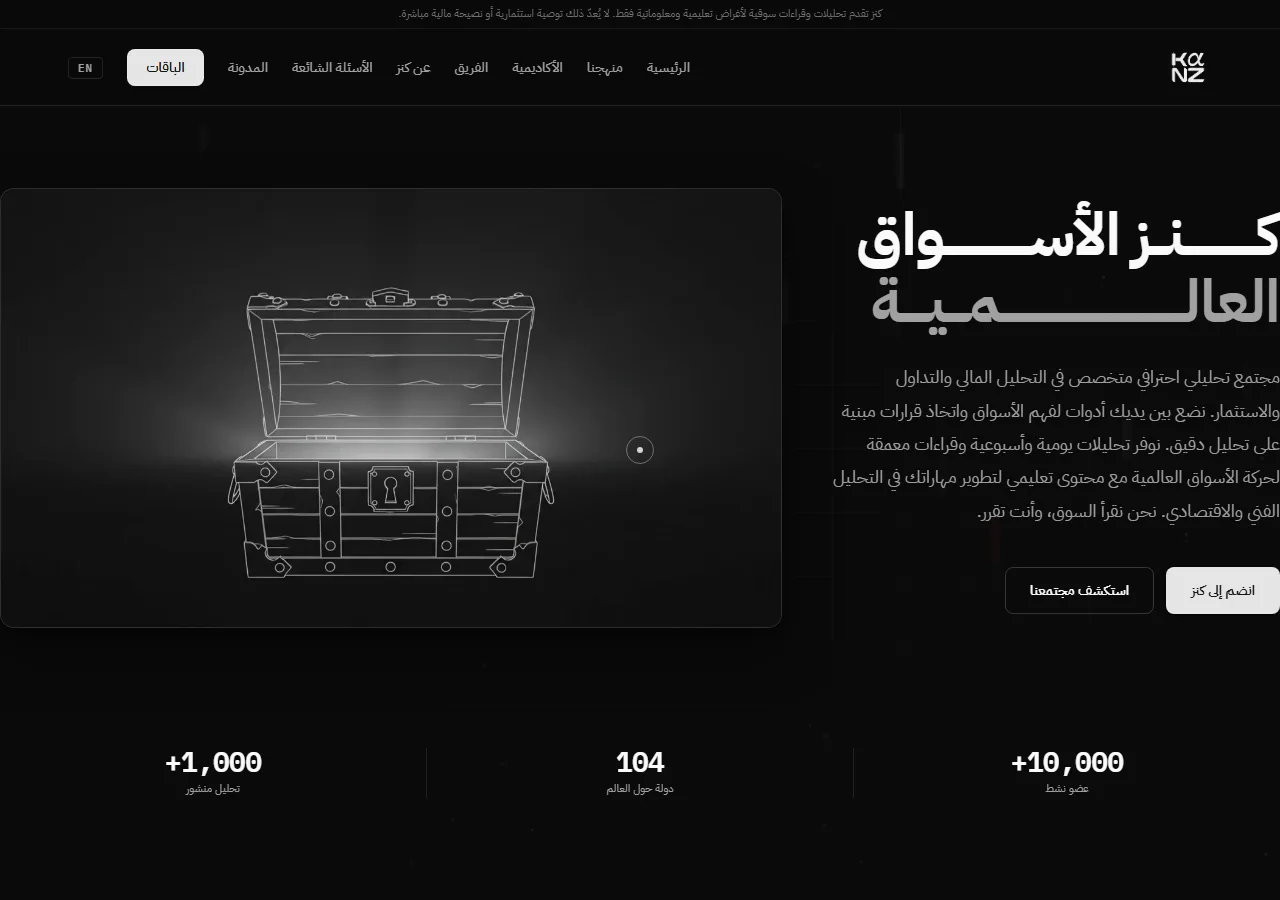
A design system from zero, then every customer-facing surface shipped as production code. Arabic-first, right to left throughout.
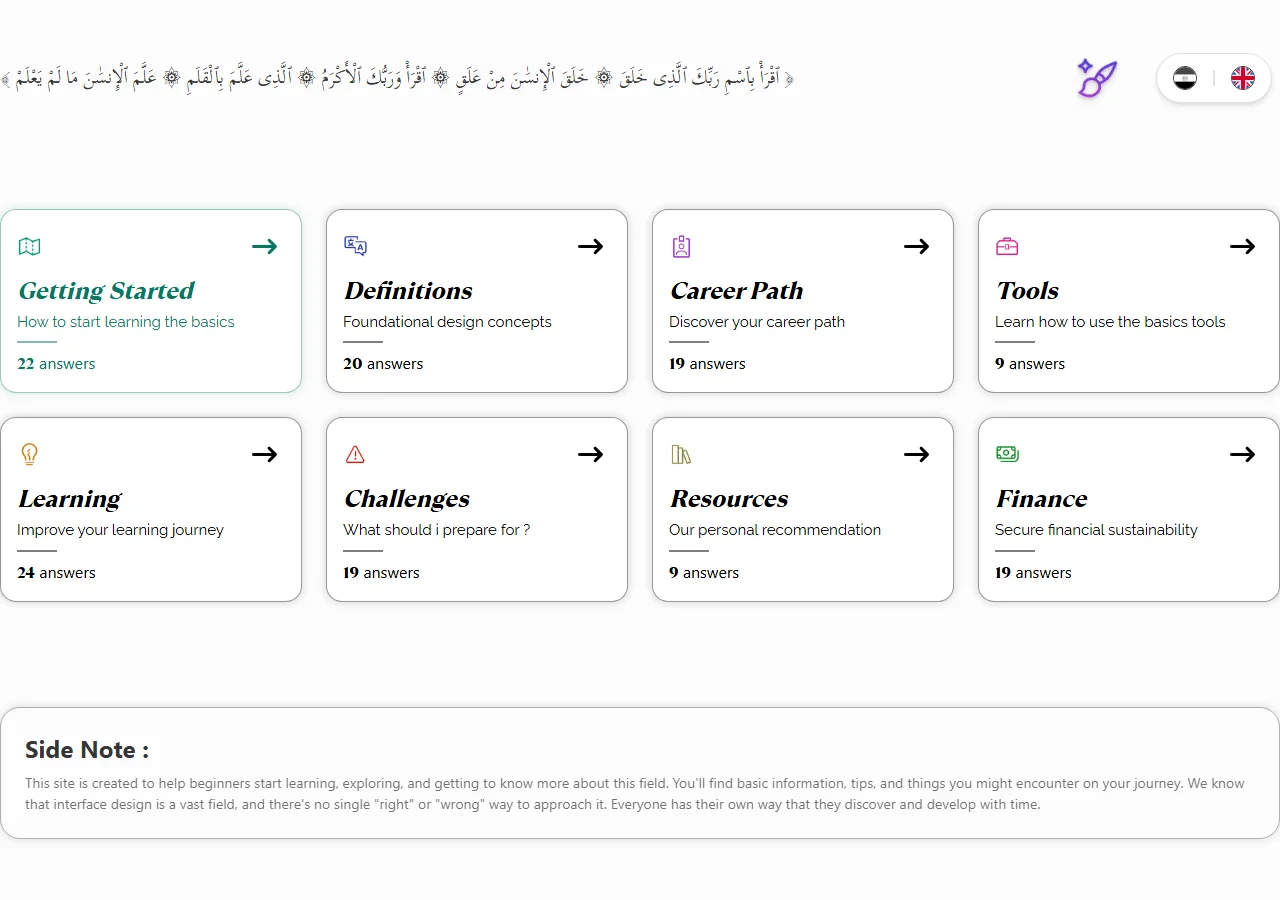
Co-built a FAQ-first platform that makes senior designer knowledge searchable, at any level.
AI-native by instinct, not as an add-on. Research, live prototypes, specs and code run with AI in the loop in every role I’ve held. The model does the volume; the business call stays human.
End-to-end UX for products where the model is the interface. Prompt surfaces, trust flows, error recovery.
Generative ideation, automated variants, AI-synthesised research, and design QA with LLM reviewers.
Orchestrator and worker pipelines where specialised agents run research, ideation, critique and delivery in parallel.
Design engineer on AiMY: CX intelligence, knowledge management, HR automation, sales AI and QA, built on an AI-native UI library I created.
NowJan 2026 → today
Joined as product designernow designing and shipping the front end
Designing and shipping the AiMY ecosystem: a suite of AI-powered internal tools covering customer experience, knowledge management, HR automation, sales intelligence and quality assurance. I built the AI-native UI library the suite runs on, and I ship its front end in code.
80% faster dev cycle and delivery, after the AI-native UI library joined our workflow
Cairo, Egypt
Dec 2025 → Dec 2026
Led product design of Kanz Radar, Kanz’s market-intelligence platform, serving 400 paying members across 6 markets.
London, remote
Jul 2024 → Jan 2026
Led UX across three shipped products: a mental health app, a job-tracking platform and a wellness app for remote workers. Ran 50+ user interviews and usability tests and turned them into measurable product changes.
Cairo, Egypt
Oct 2022 → Jul 2024
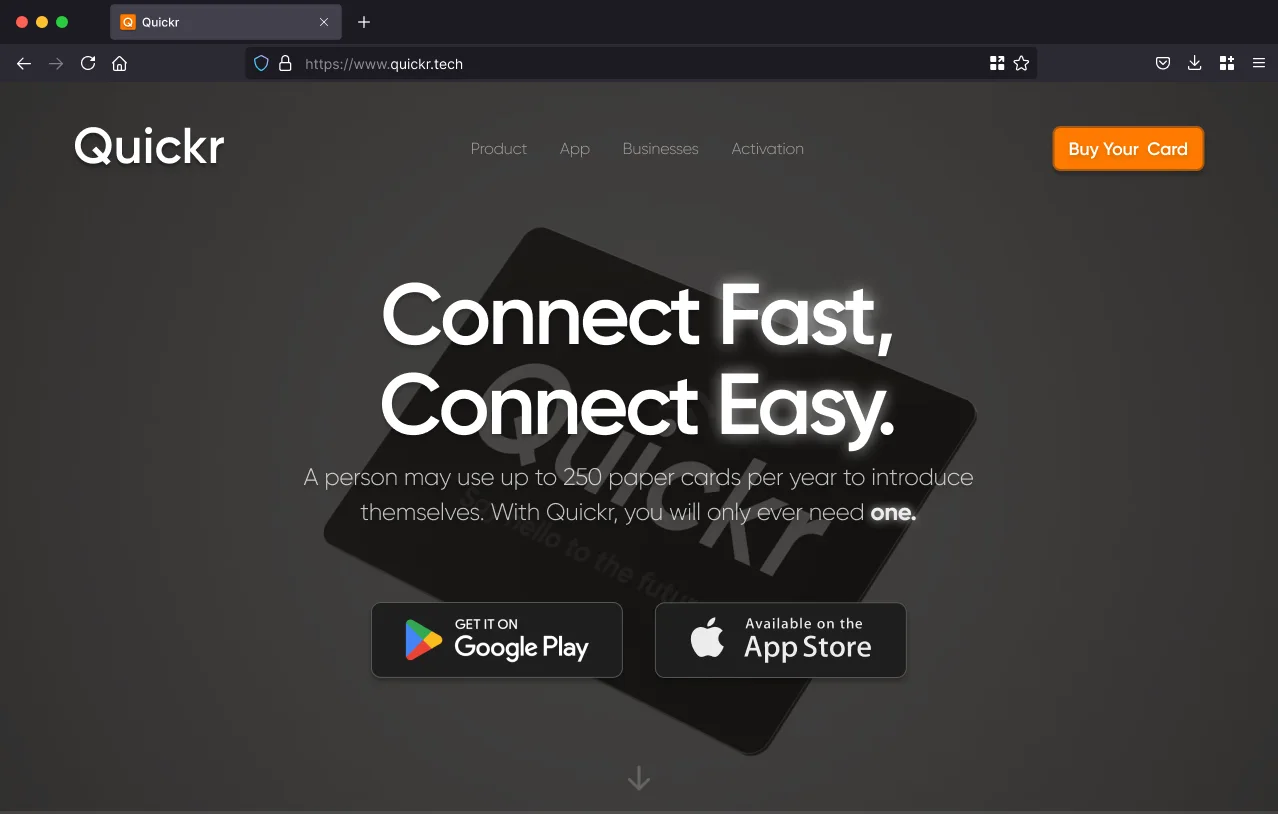
Frontend engineering on Quickr, an NFC-linked profile platform, and Nutrihub, an operations dashboard for a restaurant serving 20K+ users. Full interfaces in React, from auth to analytics.
Cairo, Egypt
Jul 2024 → Oct 2024
Research on engaging 18 to 25 year olds through gamified, narrative-based music learning. Three studies and 100+ co-designed screens on motivation, progression and auditory learning.
England, remote
How I work
No fixed waterfall. Every project gets the process it needs. AI compresses the slow parts; human judgment goes to the decisions that matter.
What decision does the business need to make, what is the actual problem, and who decided this was the solution? I ask before a single pixel moves.
With AI: research synthesis, interview analysis, competitive clustering.
AI generates the volume. I cut it. Most ideas die here, and that is the point.
With AI: variant generation, layout exploration, copy drafting.
Live prototypes in code break assumptions and settle stakeholder debates faster than any deck. Fidelity matches the question being tested.
With AI: prototype annotation, accessibility checks, edge-case generation.
Launch is not the end. I drive the cycle with engineering: analytics and feedback feed the next build, and I decide what to act on.
With AI: analytics summaries, pattern detection, A/B result reading.
When I build it, it ships as production components. When a team builds it, they get tokens, specs and annotated edge cases written by someone who reads the code.
With AI: spec generation, token extraction, documentation drafts.
Everything above is optional. The human using the product is not. AI accelerates; it replaces nothing.
Most designers hand off a file. I ship the thing, with the decision trail attached: why this flow, why this component, why this wording and not the six I tested.
I start from the business decision, not the screen: what has to move, who has to say yes, and what they need to see to say it. Then I put a live prototype in front of them.
Mental health, fintech, job search, wellness, AI. The domains change. The question doesn’t: what does this person need to do, and what’s in the way?
Beyond the screen
Street and portrait, on 35mm film and digital. Photography taught me composition, negative space, and why constraints make better work.
“Photography and design share one truth: the strongest compositions know what to leave out.” Nour Wael
Hard to scope, hard to build, hard to get right without someone who designs it and ships it. That’s the work I take. If that’s you, let’s find out.